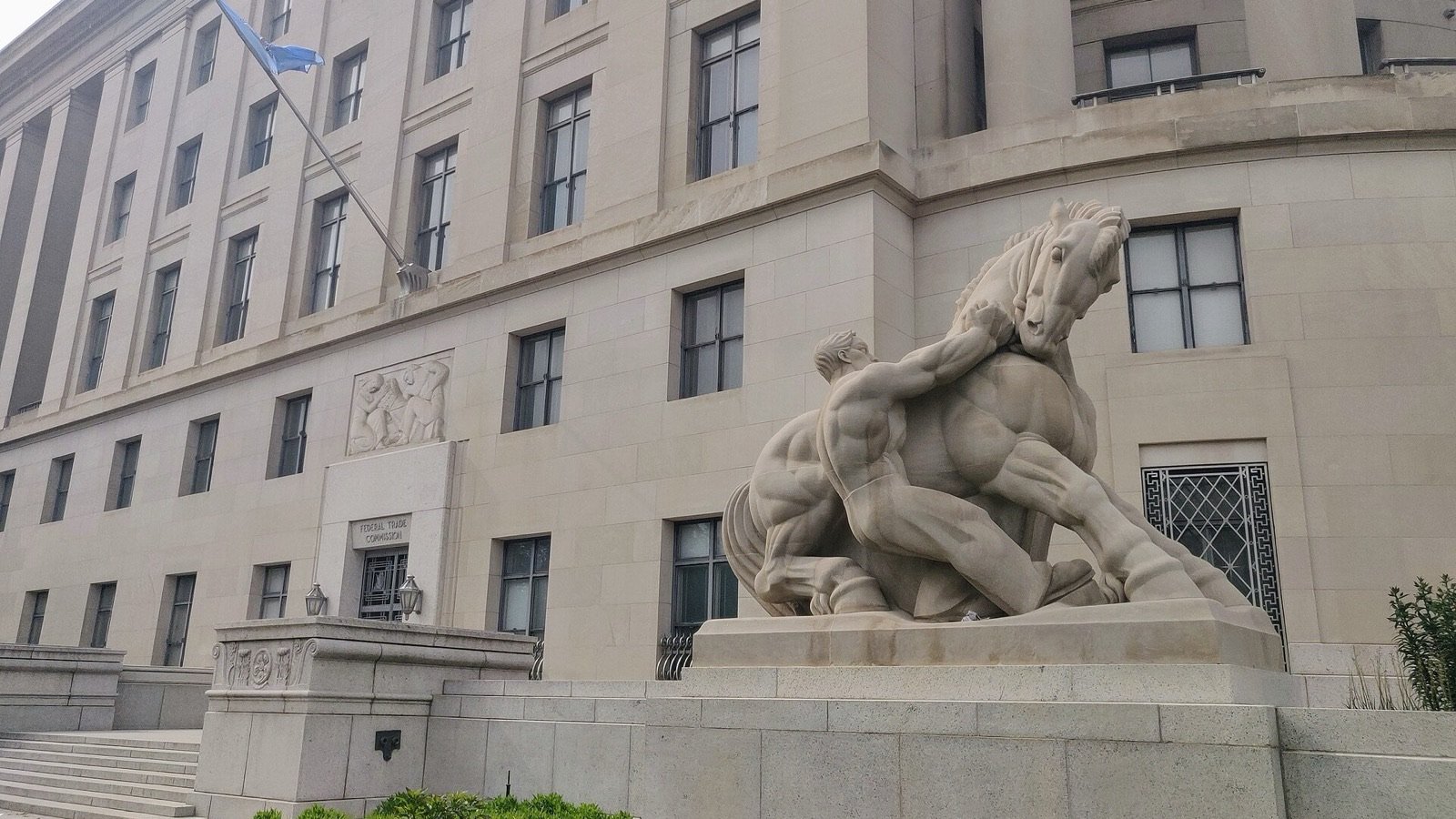
The Federal Trade Commission on October 28, 2026, ordered nine companies to explain whether they use personal data to set the prices consumers pay and, for gig platforms, how much workers earn. The recipients are Delta, United, JetBlue, Lyft, Uber, DoorDash, Instacart, Target and Walmart.
The orders were issued under Section 6(b) of the FTC Act, which the agency says lets it conduct wide-ranging studies that do not have a specific law enforcement purpose. The Commission voted 2-0 to issue them. Companies have 45 days from receiving an order to respond, and the FTC can seek to compel compliance in federal court if they do not.
What the agency wants to know
According to the FTC, each company must hand over information that will let the agency assess whether the pricing for a ticket, ride share, food delivery or other product or service “varies from one person to the next based on factors such as participation in loyalty programs or analysis of personal data by superintelligence algorithms.”
The orders ask all nine companies to document the inputs, tools and procedures they use to adjust or set pricing and compensation. The FTC said ride-sharing and food-delivery companies may pay workers “shifting compensation offers based on opaque formulas,” and it is asking about possible use of drivers’ personal data, such as phone usage or their history of accepting offers.
The model order, dated October 28 and signed by Chairman Andrew N. Ferguson, covers the period from January 1, 2023, until a company fully complies. It asks each company to describe in detail every method that uses personal information as an input to set or adjust prices, including the tools or software involved, the inputs used, whether those inputs vary by individual consumer, and the circumstances in which the company overrides the output, including restrictions imposed by particular jurisdictions.
The order also asks how many employees work on pricing strategy, compensation strategy, privacy, loyalty programs and “Super Intelligence,” which it defines as “a machine-based technology or system that can, for a given set of human-defined objectives, make predictions, recommendations or decisions influencing real or virtual environments.” Companies must also report sales volumes and revenue tied to each pricing method.
“Consumers deserve to know whether companies use their web surfing habits or other personal data to estimate the highest price they can charge each consumer,” Ferguson said in the announcement. “Workers also deserve to know if their compensation is affected by how companies use their personal data.”
Why a new study
The FTC said the Commission issued a study on personalized pricing in mid-2024 and released staff findings days before President Donald J. Trump took office. But the agency said that study “examined only middlemen consultancies rather than the businesses that actually set prices for services and products offered to consumers.” The new orders go directly to companies that set prices and pay.
The inquiry follows an August 19 announcement in which the FTC sought public comment on a proposed enforcement policy statement on personalized pricing, which it described as using personal data to set prices based on what a company believes a specific consumer will pay. That proposal, also approved 2-0, said that collecting or using personal data for personalized pricing without disclosure could violate the FTC Act’s ban on unfair or deceptive practices. Comments were due September 18. In that announcement Ferguson also said: “The FTC does not have the legal authority to ban personalized pricing in all circumstances.”
Why it matters
The orders put a privacy question at the center of pricing: whether customers’ web surfing habits, loyalty program status and other personal data are used to charge different people different amounts. By extending the inquiry to compensation, the agency is also asking whether workers’ data, such as phone usage and acceptance history, affects what drivers and couriers are offered.
The FTC describes 6(b) studies as having no specific law enforcement purpose, and the release does not say whether the agency will publish a report on the results. Ferguson framed the inquiry as a way to “scrutinize the opaque methodology that some companies in these industries may be using to determine how much consumers pay or how much gig workers are paid for the same product or service.”
What to watch
The companies’ 45-day response window runs from when each receives its order. Separately, the comment period on the FTC’s proposed enforcement policy statement on personalized pricing closed on September 18, and the October 28 release did not say when a final statement might follow.
Corrections and tips: email the editor using the address on the Contact page.